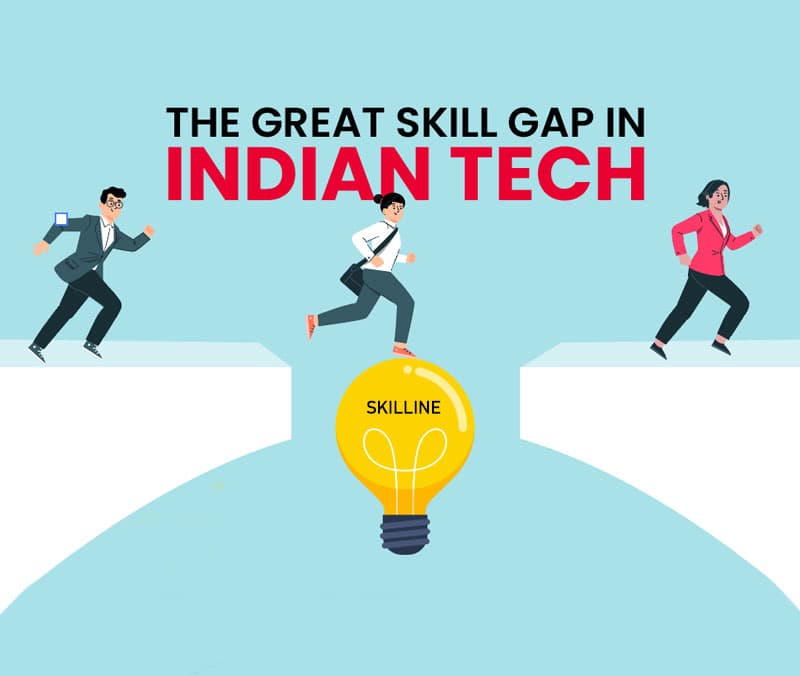
India's burgeoning youth population holds the promise of transforming the nation into a global powerhouse and the world's skill capital. With over 65% of its citizens under the age of 35, this energetic and dynamic workforce has the potential to drive India into a new era, led by Gen Z and millennials.
However, there are significant concerns about the skill gap prevalent in the workforce, particularly in the manufacturing and service sectors.
As technology rapidly evolves and permeates various industries, the skill gap has been widening, affecting both employee productivity and employability. Furthermore, the traditional education system in India has not adequately prepared first-time job seekers to meet industry demands, exacerbating the issue.
Solutions
Education System Reform:
Incorporate practical and hands-on learning from an early age.
Move away from rote learning to prevent stunted academic growth and widen the skill gap.
Emphasis on Vocational Skills:
Prioritize vocational skills, internships, and embedded apprenticeship degree programs.
Ensure students gain hands-on learning experiences in real-life scenarios.
Industry and Academia Collaboration:
Foster a collaborative understanding between industry and academia.
Align the education system with current job market needs.
Investment in Vocational Skilling:
Address the urgent need for investment in vocational education across the country.
Overcome the stigma associated with vocational education, often seen as a last resort by parents and teachers.
Education and Awareness:
Educate teachers, students, and parents on the benefits of vocational education.
Highlight the available work placement options for students.